

Skills employers want most right now might surprise you. Bosses do not just want yes-men or silent workers who nod at every idea. Recent reporting from Forbes shows that the skill managers need most today is actually the ability to disagree in a healthy way.
Speaking up when you see a problem saves companies time and cash. When you can push back with calm words and solid reasons, you make team decisions better. Here is how this new shift works and how you can show this rare talent in your next job hunt.
Why Bosses Want You to Speak Up
Most young workers think keeping quiet keeps them safe. You might sit in a meeting, hear a weak plan, and say nothing because you are new. That habit actually hurts teams. Leaders want people who spot bad assumptions before projects launch.
When everyone agrees too fast, groups make silly errors. Forbes reports that being able to disagree well helps teams avoid expensive blind spots. It is not about starting fights in the hallway. It is about bringing a fresh view so the whole group wins.
Think about a simple project deadline. If your manager sets a launch date that feels impossible, agreeing right away helps no one. You miss the date, the client gets angry, and stress goes through the roof. If you explain the bottleneck early, the team can fix the plan before trouble hits.
Smart companies know that group harmony should never silence honest facts. When workers share what they truly see, products get better and projects finish faster.

What Disagreeing at Work Looks Like Every Day
Arguing is not the same as disagreeing with skill. Bad disagreement sounds like an attack on a person. Good disagreement focuses on the project, the steps, and the shared outcome.
Here are basic ways to frame a different view without making people angry:
- "I see your point on speed, but I worry about bugs if we skip step two."
- "That plan worked well last year, but our user numbers look different this week."
- "Can we look at one other option before we lock this in?"
Notice how none of those lines blame anyone. They do not say someone is foolish or wrong. They just put new facts on the table. You can learn more about managing your growth through simple Career development steps that focus on team communication.
Practice this with small choices first. When a teammate suggests a messy spreadsheet format, suggest a cleaner layout. Explain why your way saves five minutes each morning. Small wins build your confidence for bigger talks later.
How to Show This Skill in a Job Interview
You do not have to wait until your first day at a new desk to show you have this ability. You can prove it while you answer questions during a Job interview.
Hiring teams often ask: "Tell me about a time you had a conflict with a coworker." Many job seekers panic and say they get along with everyone. That is the wrong answer. It tells the interviewer that you either hide issues or have never worked on a real project.
Use a simple three-step story instead:
- Name the goal both of you wanted to hit.
- Explain the two different paths you saw to get there.
- Share how you tested both ways or found a middle path that worked.
For example, you can talk about a school project or a part-time shift. Say your teammate wanted to build five quick slides, but you thought three detailed slides answered the brief better. You sat down, timed a practice run, and chose the three-slide deck together. That shows maturity and clear thinking.
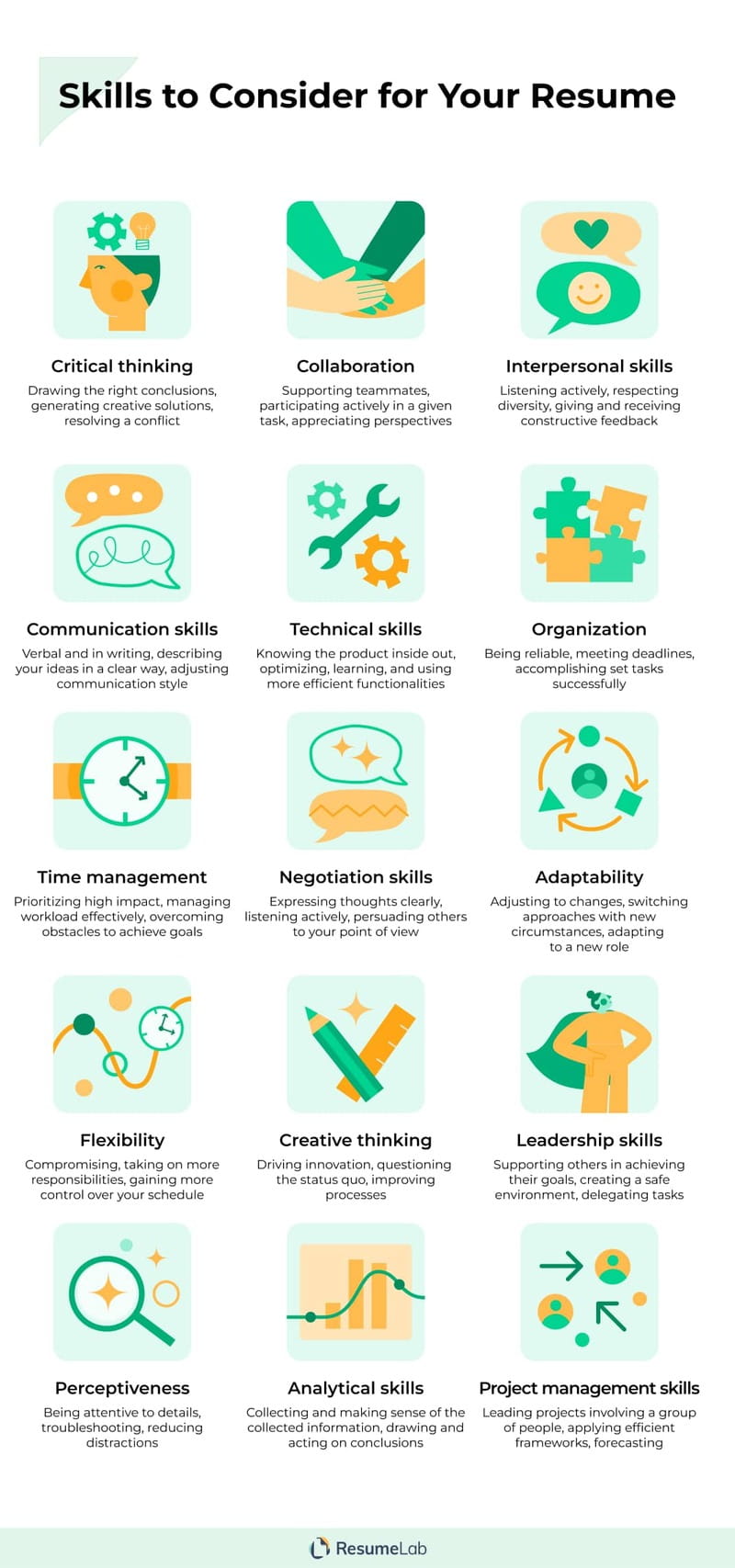
What Skills Do Employers Look for on Your Resume?
You cannot just type "good at arguing" on your paper. That looks strange to any recruiter. You have to weave this talent into your past work bullet points.
Write lines that show you saved resources by speaking up. Instead of writing "helped run weekly meetings," try "flagged scheduling overlaps during weekly planning, saving four hours of wasted work." That tells a real story about your eyes and your courage.
If you want to read more about how workplace talks are evolving with tech, check out our guide on how AI Tools and Pay Talks Change How Workers Ask for a Raise. Technology handles basic tasks now, which makes your voice and judgment even more valuable to companies.
When you update your materials, visit our main page for more career advice and job search tips to help you land your next role. Your personal judgment is what machines cannot copy.
Three Steps to Disagree with Your Boss Safely
Disagreeing with a peer is one thing. Disagreeing with the person who signs your paycheck feels much scarier. You can do it safely if you follow a few basic rules.
1. Pick the Right Room
Never challenge your manager in front of twenty people or a client. That makes people defensive. Wait for a one-on-one chat or send a quick private note asking for five minutes to share an idea about the project.
2. Ask Questions Before Giving Answers
Sometimes you disagree because you lack key information. Start with curiosity. Ask, "What made you pick this direction?" Once you hear their reasons, your pushback will be much smarter and more focused.
3. Commit Once the Call Is Made
You speak your mind to help the group make the best choice. But once your boss weighs the facts and makes the final call, get on board. Great team players give honest input first, and then work hard on the chosen path even if it was not their first choice.
Speaking up with calm respect is a superpower in any office. Which meeting this week gives you a chance to share your real view?
Post a Comment
0Comments